Gravel Bikes
ALL BIKESSee More
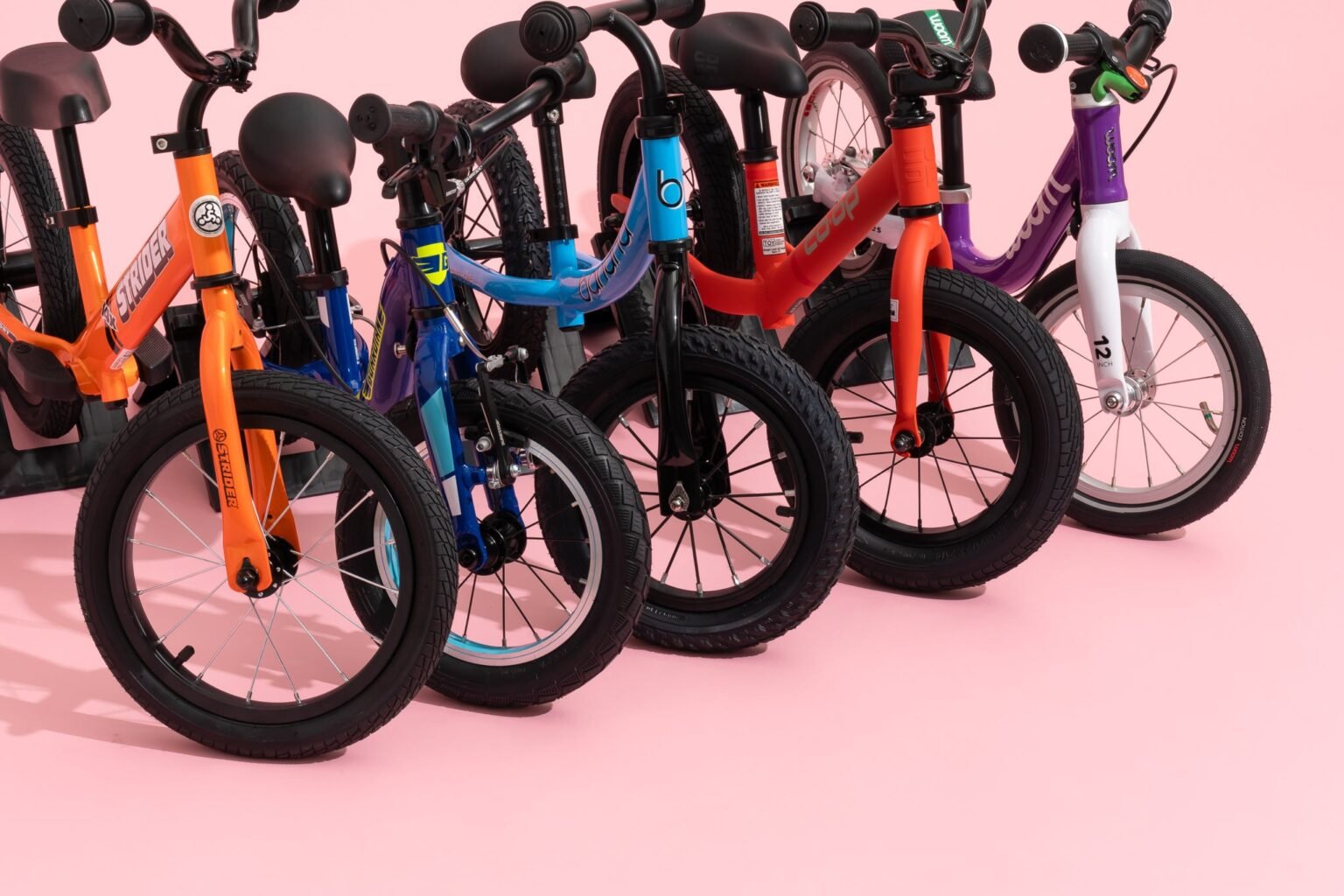
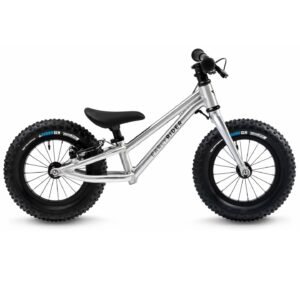
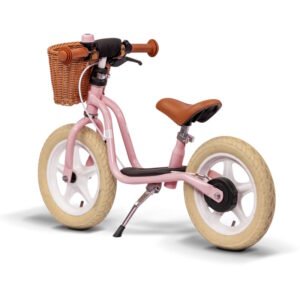
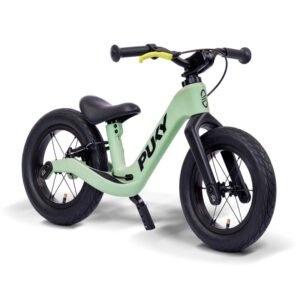
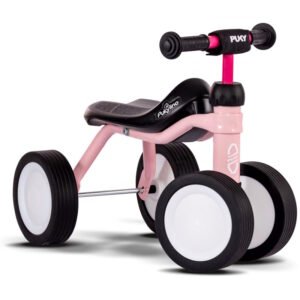
It only takes one saddle, one handlebar, and two wheels to get started riding. Balance bikes for kids promote physical activity while also teaching them to ride safely. The idea behind it is straightforward: children’s balance bikes do not require pedals or brakes. The primary goal is for children to practice their balance and steering. And it will become so simple that, in time, the first real bike will be within reach. Read more
Balance Bikes
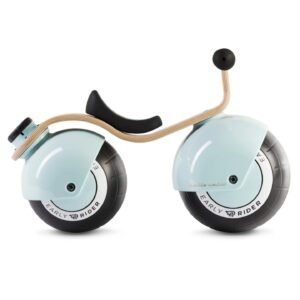
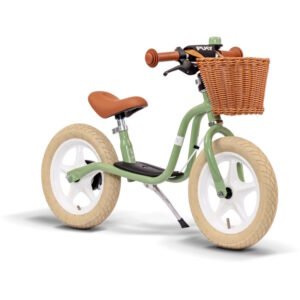
Balance Bikes
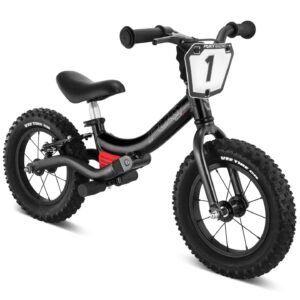
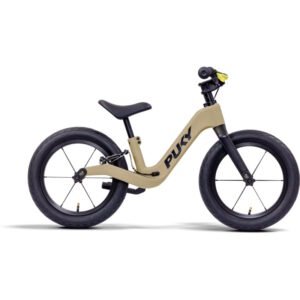
Balance Bikes
Balance Bikes
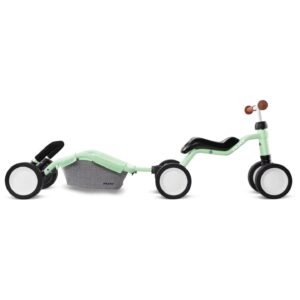
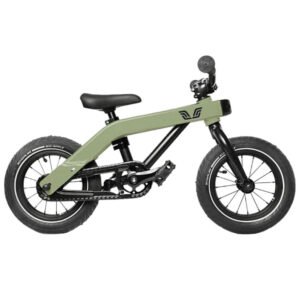
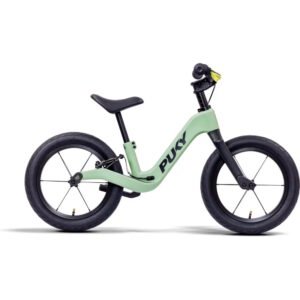
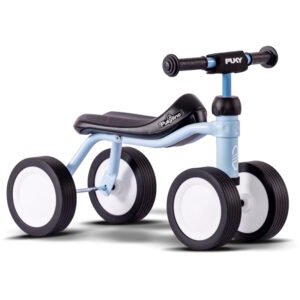
Give your child the best start to a lifetime of cycling adventures. Balance bikes, the simple yet revolutionary training bikes without pedals, are proven to be the fastest and most natural way for toddlers and kids to learn to ride. By focusing on the core skills of balance and steering, these bikes build confidence so effectively that many children transition directly to a pedal bike without ever needing training wheels.
Imagine your child gliding effortlessly, a big smile on their face, having mastered their first two-wheeler. That's the magic of a balance bike.
Forget the frustration of training wheels that tip and wobble. Balance bikes work with a child's natural development, teaching them the most critical aspect of riding first: how to balance on two wheels.
Learn to Ride Faster: By isolating balance and steering, children develop muscle memory and coordination intuitively. They skip the awkward training wheel phase altogether.
Builds Confidence & Independence: With their feet safely on the ground, kids are in complete control. They can start, stop, and maneuver at their own pace, which builds tremendous self-assurance.
Smoother Transition to Pedals: When a child is ready for a pedal bike, they already know how to balance and steer. All they need to learn is how to pedal—a simple skill that often takes just minutes to grasp.
Promotes Safety & Control: The ability to plant their feet to stop is a much more intuitive and reliable braking method for young children than hand brakes.
The most important factor in choosing a balance bike is not age, but your child's size and inseam length. A perfect fit ensures safety, comfort, and fun.
Key Sizing Metric: Inseam Length
To find the right size, measure your child's inseam (the inside leg from crotch to floor). In a seated position on the bike, your child should be able to place the soles of both feet flat on the ground with a slight bend in their knees.
| Child's Height | Approx. Age | Recommended Wheel Size | Ideal Inseam Length |
|---|---|---|---|
| 30" - 36" (76 - 91 cm) | 18 months - 2.5 years | 10" - 12" | 12" - 14" |
| 34" - 40" (86 - 101 cm) | 2.5 - 4 years | 12" - 14" | 14" - 17" |
| 38" - 46" (96 - 116 cm) | 4 - 6 years | 14" - 16" | 17" + |
Pro Tip: Always choose a model with an adjustable seat post (and handlebars, if possible). This allows the bike to "grow" with your child, providing years of use.
Balance bikes come in various materials, each with its own benefits. The right choice depends on your lifestyle, terrain, and preferences.
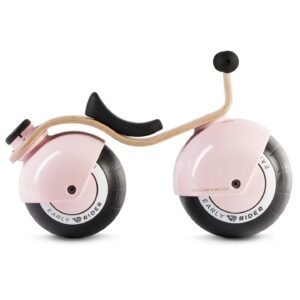
Wooden Balance Bikes: Eco-friendly and stylish, these bikes are often lightweight and feature a minimalist design. They are perfect for indoor use and smooth surfaces like parks and pavements.
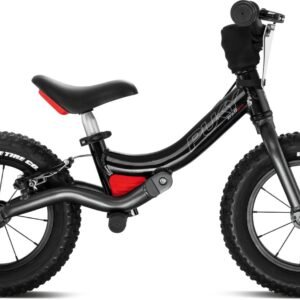
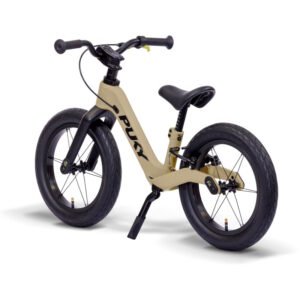
Metal Balance Bikes (Steel or Aluminum): The most common and durable type. Steel frames are strong and affordable but can be heavier. Aluminum frames are lightweight, rust-resistant, and ideal for kids who will be carrying their own bikes. Best for all-terrain use.
Composite/Plastic Balance Bikes: Extremely lightweight and weather-resistant, these are excellent for the youngest riders and for travel. Modern composites are surprisingly durable.
Not all balance bikes are created equal. Here’s what separates a good bike from a great one:
Air-Filled (Pneumatic) Tires vs. Solid Foam Tires:
Air-Filled Tires: Offer the best cushioning, traction, and smooth ride. Ideal for rough pavement, grass, or gravel. They are the top choice for performance and comfort.
Solid Foam Tires: Never go flat and are maintenance-free. Best for very smooth surfaces indoors or on perfect pavement, but provide a bumpier ride.
Hand Brake (Yes or No?):
For beginners under 3, a brake is usually unnecessary and can be confusing. Stopping with feet is best.
For older kids (3+), a hand brake is a valuable feature. It helps them learn a critical skill for their future pedal bike and is essential for controlling speed on hills.
Steering Limiter: A safety feature that prevents the handlebars from turning too sharply and causing a tip-over. Highly recommended for younger, more wobbly riders.
Footrest: A dedicated footrest allows confident gliders to lift their feet and coast, perfecting their balance and preparing them for pedals.
We carefully curate our selection to include only the highest-quality brands known for their safety, durability, and design.
Woom: Renowned for their ergonomic design and ultra-lightweight frames.
Prevelo: Features perfectly sized frames and high-quality components tailored for small riders.
Strider: A pioneer in the category, offering models for every age and ability, including special needs options.
Puky: A German-engineered brand known for its robust and safe designs for young children.
Cruzee: Makers of incredibly lightweight aluminum bikes, perfect for small adventurers.
Before the first ride, a quick safety check is essential.
Helmet is a MUST: A properly fitted kids' bike helmet is non-negotiable. Make it a rule from day one.
Pre-Ride Safety Check: Ensure all screws (especially on the handlebars and seat post) are tight and tires are properly inflated.
Protective Gear: For extra peace of mind, consider knee and elbow pads, especially on more challenging terrain.
As soon as your child can walk confidently and has the leg length to fit on a model, they can start—often as young as 18 months.
Yes! Tricycles teach pedaling but do not teach balance. The skills are not transferable. A balance bike is the only tool that effectively teaches the balance needed for a two-wheeled pedal bike.
For beginners, without is fine. For children over 3 or who will be riding on hills, a model with a hand brake is a smart investment for safety and skill development.
Investing in a balance bike is one of the best decisions you can make for your child's cycling journey. It’s more than a toy; it’s a tool that builds confidence, coordination, and a love for active play.
Still have questions? Contact our Bike Experts
We're here to help you find the perfect bike for your little rider's big adventures.